
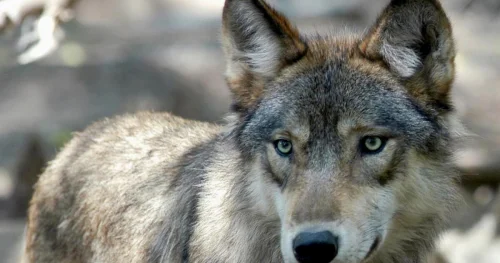
US Republicans propose removing grey wolves from Endangered Species Act
Scientific evidence shows culling disrupts wolf social structures and increases livestock predation

House Republicans have inserted a controversial provision into the Interior Appropriations Bill that would strip grey wolves of their Endangered Species Act protections. Section 128, proposed by Republican members of the House Appropriations Committee, would prevent courts from reviewing the decision and effectively eliminate federal safeguards for wolf populations across the United States.
The move comes despite scientific research indicating that wolf culling programs fail to achieve their stated goals of ecosystem management and livestock protection. Studies demonstrate that killing wolves actually increases stress within fractured wolf families, leading to more frequent livestock predation as desperate animals seek alternative food sources.
Historical partnership under threat
Wolves have coexisted with humans for approximately 10,000 years, with evidence suggesting early humans learned hunting techniques from observing wolf behaviour during the Pleistocene era. This long-standing symbiotic relationship saw wolves gradually domesticated into dogs, becoming crucial companions in human survival and development.
Scientific consensus acknowledges wolves as a keystone species whose presence triggers trophic cascades that benefit entire ecosystems. The successful reintroduction of wolves to Yellowstone National Park demonstrated how wolf populations improve deer numbers and restore ecological balance through natural predation patterns.
Minimal impact on livestock
According to data analysis, wolf predation accounts for just 0.01% of all livestock deaths nationwide. The overwhelming majority of losses—97%—result from other causes including disease, calf mortality, extreme weather conditions and management issues.
Ranchers in wolf-populated areas have expressed concerns about protecting their livelihoods, though successful adaptation programs demonstrate coexistence is achievable. The Wood River Wolf Project in south-central Idaho reduced wolf predation on sheep by 90% through improved operational practices, while also decreasing persistent coyote predation.
Evidence-based alternatives
Research from Great Lakes states shows that as wolf populations increased, livestock losses actually declined, contradicting assumptions about predator-prey relationships. These findings suggest that stable wolf families with intact social structures are less likely to target livestock when natural prey remains available.
Wildlife management experts emphasize that fracturing wolf packs through culling disrupts established hunting patterns and social hierarchies, creating more unpredictable behaviour rather than reducing conflicts with human activities.
Leave your Comment
0 Comments